Passive income is income generated with minimal effort or ongoing involvement. It’s a goal for many looking to build wealth and achieve financial independence. Two popular methods of generating passive income are dividend investing and rental properties. In this blog, we’ll delve into both strategies, exploring how they work, their benefits, and considerations for getting started. Dividend Investing: Generating Income from Stocks Dividend investing involves purchasing stocks of companies that pay dividends—regular payments made to shareholders from the company’s profits. Here’s how to approach dividend investing: 1. Selecting Dividend-Paying Stocks Focus on Dividend History : Look for companies with a consistent track record of paying and increasing dividends over time. Dividend Yield : Compare dividend yields (annual dividend income divided by the stock price) across different stocks to assess potential income. 2. Dividend Reinvestment Plans (DRIPs) Compound Returns : Reinvest d...
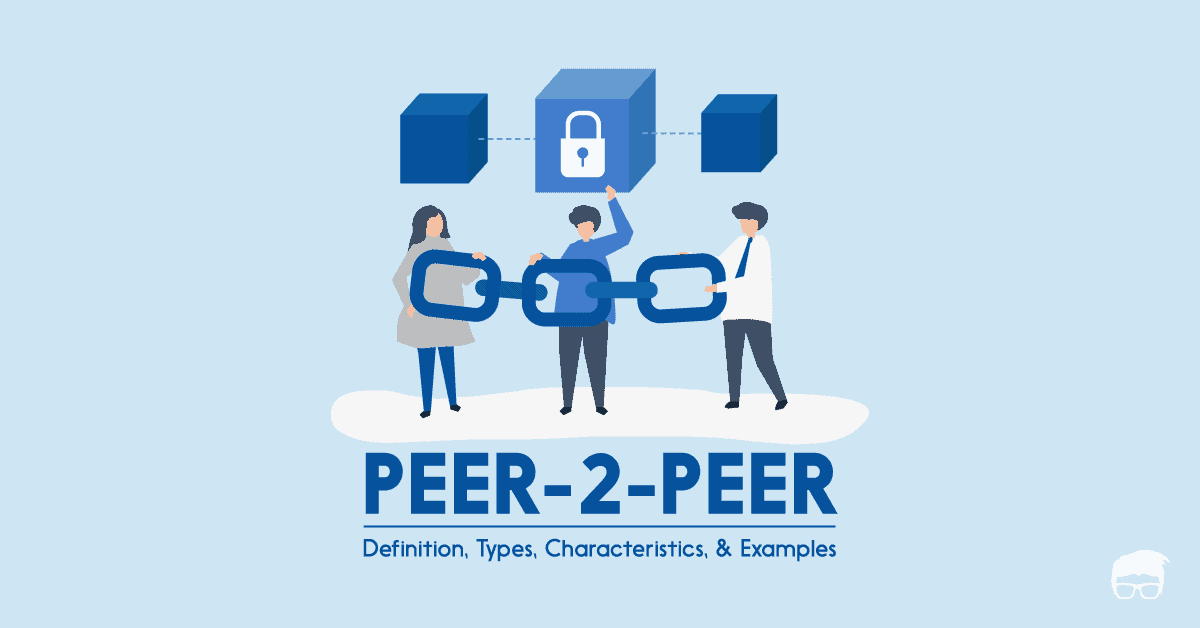
Peer-to-peer (P2P) lending has emerged as a popular alternative investment option where individuals can lend money directly to borrowers through online platforms, bypassing traditional financial institutions like banks. While P2P lending offers potential rewards, it also comes with inherent risks. In this blog, we'll explore the concept of P2P lending, its benefits, risks involved, and tips for mitigating those risks.
Understanding Peer-to-Peer Lending
Peer-to-peer lending platforms connect lenders (investors) with borrowers seeking personal loans, business loans, or other types of financing. These platforms typically operate online, facilitating transactions and managing loan processes, including credit checks, repayment schedules, and collection efforts.
Rewards of Peer-to-Peer Lending
1. Higher Returns
P2P lending often offers higher returns compared to traditional savings accounts or bonds. Investors can earn interest income by funding loans and receiving monthly repayments including interest.
2. Diversification
Investors can diversify their investment portfolio by allocating funds across multiple loans, spreading risk among different borrowers and loan types.
3. Access to Borrowers
P2P lending provides an opportunity to support individuals or small businesses that may have difficulty obtaining loans from traditional financial institutions due to stringent requirements.
4. Control Over Investments
Investors have control over selecting loans based on borrower profiles, loan purpose, credit risk, and other criteria provided by the platform.
Risks of Peer-to-Peer Lending
1. Credit Risk
One of the primary risks in P2P lending is credit risk—the possibility that borrowers may default on their loans, leading to potential loss of principal and interest income.
2. Platform Risk
Investors face platform risk, including the possibility of platform insolvency, fraud, or technical issues affecting loan servicing and repayments.
3. Liquidity Risk
P2P investments are typically illiquid, meaning funds may be tied up for the duration of the loan term with limited opportunities to withdraw early.
4. Regulatory Risk
Changes in regulations or legal issues affecting P2P lending platforms or borrowers could impact investment returns and operational stability.
Tips for Mitigating Risks
1. Diversify Your Portfolio
Spread your investment across multiple loans and borrowers to reduce exposure to any single default.
2. Perform Due Diligence
Conduct thorough research on P2P platforms, borrower profiles, credit assessments, and historical loan performance data provided by the platform.
3. Understand Fees and Costs
Review platform fees, loan servicing fees, and any other costs associated with investing in P2P loans to assess their impact on potential returns.
4. Monitor Investments Regularly
Monitor loan performance and platform updates regularly. Stay informed about borrower repayments, defaults, and any changes in platform policies or regulations.
Conclusion
Peer-to-peer lending can be a rewarding investment option for individuals seeking higher returns and portfolio diversification. However, it's essential to understand the risks involved and take proactive steps to mitigate them through careful research, diversification, and ongoing monitoring.
Comments
Post a Comment