Passive income is income generated with minimal effort or ongoing involvement. It’s a goal for many looking to build wealth and achieve financial independence. Two popular methods of generating passive income are dividend investing and rental properties. In this blog, we’ll delve into both strategies, exploring how they work, their benefits, and considerations for getting started. Dividend Investing: Generating Income from Stocks Dividend investing involves purchasing stocks of companies that pay dividends—regular payments made to shareholders from the company’s profits. Here’s how to approach dividend investing: 1. Selecting Dividend-Paying Stocks Focus on Dividend History : Look for companies with a consistent track record of paying and increasing dividends over time. Dividend Yield : Compare dividend yields (annual dividend income divided by the stock price) across different stocks to assess potential income. 2. Dividend Reinvestment Plans (DRIPs) Compound Returns : Reinvest d...
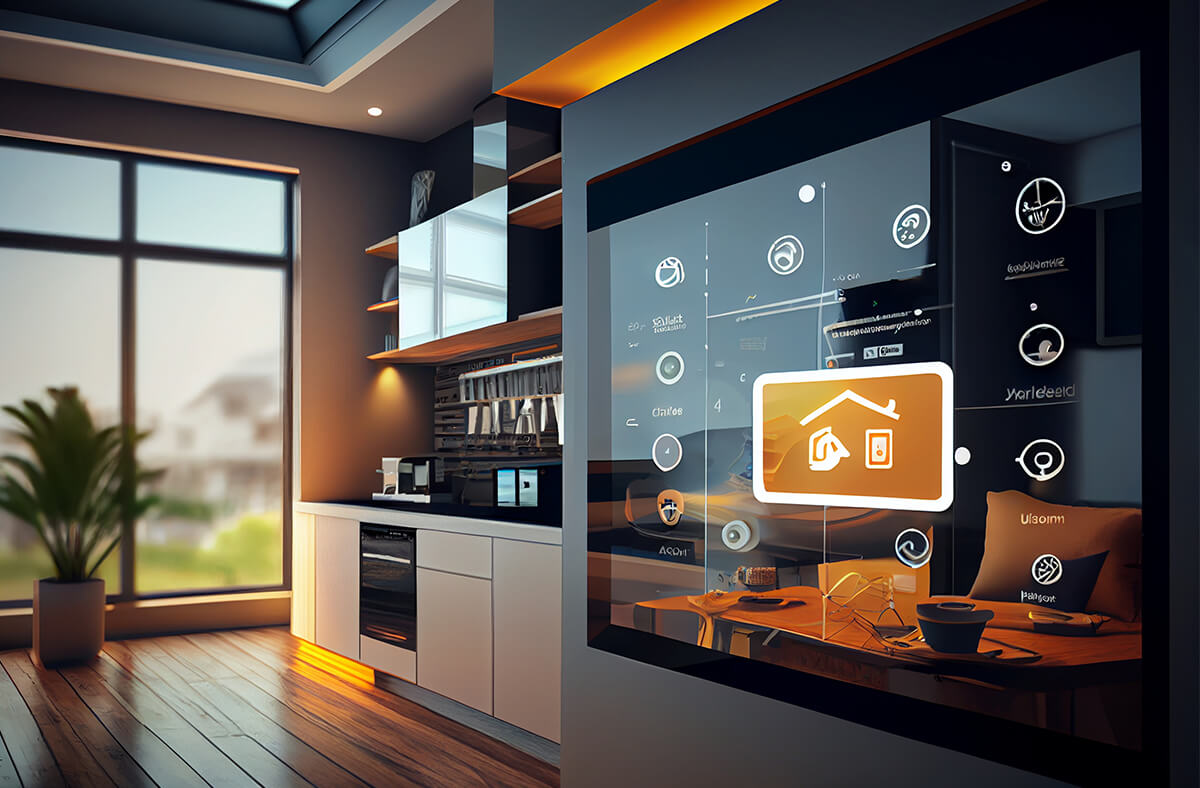
In recent years, smart home technology has transformed the way we interact with our living spaces, offering convenience, efficiency, and enhanced security through interconnected devices. This article explores the latest advancements in smart home devices, the integration of Internet of Things (IoT) technology, and their profound impact on daily life.
Understanding Smart Home Technology
Smart home technology refers to a network of devices and appliances that communicate with each other and can be controlled remotely via a smartphone, tablet, or voice commands. These devices use sensors, actuators, and connectivity technologies such as Wi-Fi, Bluetooth, Zigbee, and Z-Wave to automate tasks and improve functionality.
1. Advancements in Smart Home Devices
Smart Speakers and Voice Assistants: Devices like Amazon Echo (Alexa), Google Home (Google Assistant), and Apple HomePod have become central hubs for controlling smart home devices using voice commands.
Smart Thermostats: Devices such as Nest Thermostat and Ecobee learn your heating and cooling preferences, optimize energy usage, and can be controlled remotely to save on utility bills.
Smart Lighting: LED bulbs and smart switches allow users to control lighting intensity, color, and schedule remotely. Some systems like Philips Hue offer dynamic lighting scenes based on daily routines or activities.
Smart Security Systems: Cameras, doorbell cameras (e.g., Ring, Nest Hello), and smart locks provide real-time surveillance, remote access, and integration with other security devices for comprehensive home protection.
2. IoT Integration in Smart Homes
IoT integration enhances the functionality and interoperability of smart home devices:
Interconnected Ecosystem: Devices from different manufacturers can communicate and work together seamlessly through platforms like Apple HomeKit, Samsung SmartThings, or Amazon Alexa.
Data Sharing and Automation: IoT devices collect data on user preferences, habits, and environmental conditions (e.g., temperature, humidity), enabling automated adjustments and personalized experiences.
Remote Monitoring and Control: Users can monitor and control their smart home devices from anywhere with an internet connection, enhancing convenience and security.
3. Impact on Daily Life
Smart home technology has revolutionized daily routines and lifestyle:
Convenience: Automating tasks such as adjusting thermostat settings, turning lights on/off, or locking doors simplifies daily routines and saves time.
Energy Efficiency: Smart devices optimize energy usage by adjusting settings based on occupancy, weather conditions, and user preferences, leading to reduced utility costs and environmental impact.
Enhanced Security: Real-time alerts and remote monitoring capabilities provide peace of mind, allowing homeowners to respond promptly to potential threats or emergencies.
Accessibility and Aging in Place: Smart home features like voice-controlled devices and motion sensors promote independence and safety for elderly or disabled individuals who wish to live independently.
Future Trends and Considerations
As smart home technology continues to evolve, future trends may include:
Integration with AI and Machine Learning: Devices becoming more predictive and adaptive based on user behavior and preferences.
Expansion of Smart Appliances: Refrigerators, ovens, and washing machines equipped with IoT connectivity and smart features for enhanced functionality and efficiency.
Data Privacy and Security: Addressing concerns about data protection, encryption, and unauthorized access to personal information stored by smart home devices.
Conclusion
In conclusion, the evolution of smart home technology and IoT integration has ushered in a new era of convenience, efficiency, and security for homeowners. By leveraging interconnected devices and advanced automation, smart homes enhance daily life, promote energy conservation, and improve overall quality of living.
Comments
Post a Comment